Posts

Showing posts with the label hernia specialist doctor in indore

Hernia Repair Surgery: Different Techniques and Recovery Tips

Image
Hernia repair surgery is a common procedure performed to alleviate the symptoms and complications associated with hernias. There are various surgical techniques available, each tailored to the specific type and severity of the hernia. Understanding the different methods and knowing how to facilitate a smooth recovery can help patients feel more prepared and confident about undergoing hernia repair surgery. This article will explore the various surgical techniques used for hernia repair and provide recovery tips for a successful post-operative period. Different Techniques for Hernia Repair: 1. Open Hernia Repair: In this traditional approach, a single larger incision is made near the hernia site to access and repair the hernia. The surgeon places sutures or uses a synthetic mesh to reinforce the weakened abdominal wall and close the hernia opening. Open hernia repair is commonly used for inguinal, umbilical, and incisional hernias.  2. Laparoscopic Hernia Repair: This minimally inva...

Hernias in Women: Unique Considerations and Management

Image
  Hernia can affect individuals of all genders, but women may face unique considerations when it comes to hernia. Understanding the specific challenges and management strategies for hernia in women is essential for timely diagnosis, effective treatment, and optimal recovery. In this blog post, we will explore the distinct factors associated with hernia in women and discuss strategies for managing this condition. 1. Unique Considerations: Pregnancy : The abdominal wall experiences significant stress and stretching during pregnancy, increasing the risk of hernia in women. Hormonal changes and increased intra-abdominal pressure further contribute to hernia formation. Menopause and weakened connective tissues : The hormonal changes during menopause can reduce collagen and elastin, weakening the connective tissues. This can make women more susceptible to hernia . Pelvic floor disorders : Conditions such as pelvic organ prolapse or stress urinary incontinence can weaken the pelvic floor ...

Symptoms of hernias in women and how they differ from men

Image
Hernias can affect both men and women, but the symptoms and risk factors can differ between the sexes. Here are some key points to consider when exploring the symptoms of hernias in women and how they differ from men. 1. Inguinal Hernias Inguinal hernias are the most common type of hernia in both men and women, but they can present differently in women. Women may experience a bulge or swelling in the groin area, similar to men, but the bulge may be less noticeable due to the presence of surrounding tissue and organs. Women may also experience pain or discomfort during physical activity, menstrual cycles, or urination. 2. Femoral Hernias: Femoral hernias are less common in women than inguinal hernias but can still occur. This type of hernia occurs when abdominal tissue pushes through the femoral canal, located in the upper thigh near the groin. Symptoms of femoral hernias in women can include a bulge or swelling in the groin or upper thigh, as well as pain or discomfort during physical ...

Hernia Surgery: What You Need to Know

Image
Hernias occur when an organ or tissue protrudes through an opening or weak spot in the surrounding muscle or tissue. While some hernias can be managed with non-surgical treatment options, others may require surgery to repair the weakened area and prevent further complications. If you're considering hernia surgery, here's what you need to know. Types of Hernia Surgery There are several different surgical approaches to repairing a hernia, including: Open hernia repair : During an open hernia repair, the surgeon makes a single incision in the affected area to access and repair the hernia. This approach is the most traditional method of hernia surgery and is typically used for larger hernias. Laparoscopic hernia repair : Laparoscopic hernia repair involves making several small incisions in the abdominal area and using a small camera and specialized instruments to repair the hernia. This minimally invasive approach often results in less pain and a shorter recovery time than open sur...

Hernia Surgery: What to Expect and How to Prepare

Hernia surgery is a common procedure that involves repairing a weakened area of muscle or tissue that has allowed an internal part of the body, such as an organ or fatty tissue, to push through. Here are some things to expect and how to prepare for hernia surgery: Consultation with a surgeon : Your first step will be to meet with a surgeon who will evaluate your condition and discuss your options for treatment. Pre-operative Testing : Before your surgery, you may need to undergo some testing, such as blood work or imaging scans, to ensure that you are healthy enough for surgery. Fasting and Medication Adjustments : Your surgeon will give you instructions on when to stop eating and drinking before your surgery, as well as any adjustments you need to make to your medications. Anesthesia : Hernia surgery is typically performed under general anesthesia, which means that you will be asleep during the procedure. Surgery Duration : The length of your surgery will depend on the size and locati...

How Do You Know When You Have a Hernia?

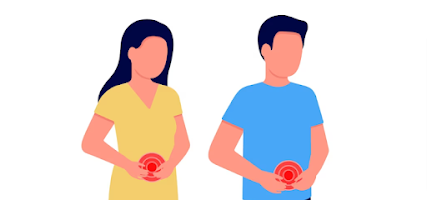
A hernia occurs when an internal part of the body, such as an organ or fatty tissue, pushes through a weakened area of muscle or tissue that normally holds it in place. The resulting bulge or lump can be uncomfortable and sometimes painful.  Here are some common signs and symptoms of a hernia: Visible bulge or lump : One of the most obvious signs of a hernia is a bulge or lump that appears under the skin. This may be more noticeable when you are standing up or exerting yourself and may disappear when you lie down. Pain or discomfort : Depending on the size and location of the hernia, you may experience pain or discomfort in the affected area. This can range from a dull ache to a sharp, stabbing pain. Weakness or pressure : You may also feel weakness or pressure in the area where the hernia is located, especially when lifting heavy objects or straining during bowel movements. Indigestion or nausea : In some cases, a hernia can cause indigestion or nausea due to the pressure it puts ...